
Retail strategy is entering a new era — one shaped less by traditional assumptions and more by a deeper understanding of human behavior.
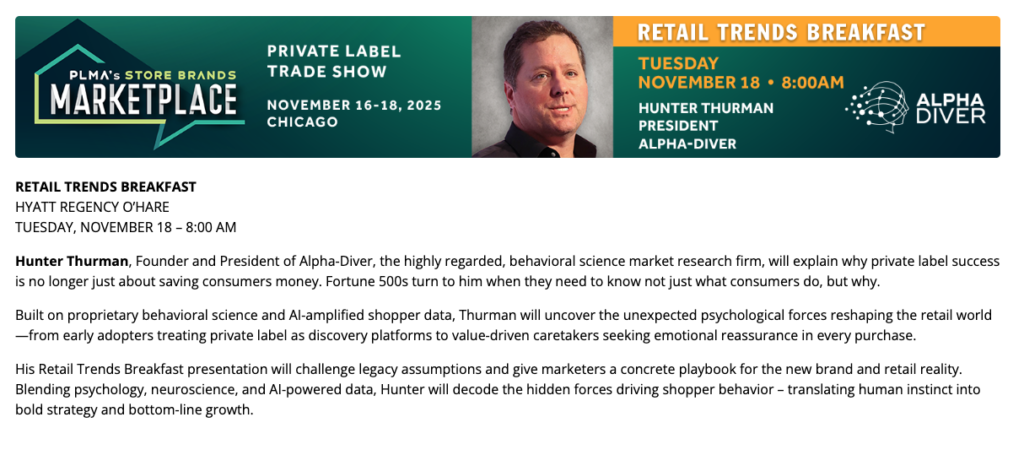
At the recent Retail Trends Breakfast keynote session, I unpacked how consumer Need Codes combine psychology, neuroscience, and AI-driven behavioral analysis to reshape the way we think about shoppers, brands, and retail growth. The conversation focused on a critical reality facing the industry today: many of the legacy models used to explain consumer behavior are no longer sufficient for understanding modern decision-making.
Consumers are navigating an environment saturated with options, information, and competing stimuli. In that environment, purchasing decisions are increasingly influenced by subconscious motivations, emotional rewards, identity signaling, and behavioral friction — often more than rational product comparisons alone.
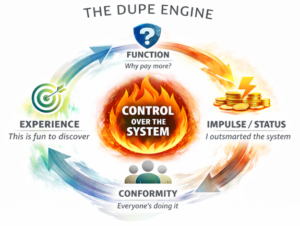
Using the Need Codes framework, the session examined the hidden psychological forces that influence why shoppers gravitate toward certain brands, experiences, and retail environments. From trust and control to belonging, stimulation, and status, these deeper motivations are shaping category growth in ways many traditional retail strategies fail to recognize.
AI-powered behavioral analysis now makes it possible to identify and quantify these patterns at scale, offering retailers and brands a more sophisticated understanding of what actually drives engagement and conversion.
The implications for retail are significant. Success increasingly depends on understanding not just what consumers purchase, but the emotional and psychological needs they are attempting to satisfy through those purchases.
As the retail landscape continues to evolve, the brands and retailers that win will likely be those that move beyond surface-level trend analysis and build strategies rooted in the realities of human behavior.