
Over the past several years, the conversation around private label has been overly simplified. Too often, retailer-owned brands are framed as a temporary response to inflation or economic pressure — as if shoppers are merely “trading down” when budgets tighten.
That explanation no longer reflects what’s actually happening in the market.
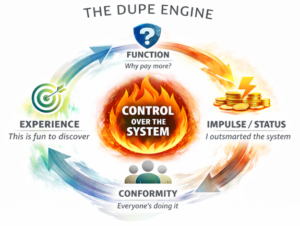
In a recent conversation on The Food Institute Podcast with Chris Campbell, I discussed how our proprietary Need Codes framework reveals that the growth of owned brands is increasingly tied to psychology, identity, and evolving definitions of value — not just price sensitivity.
Today’s shoppers are reevaluating what makes a purchase feel smart. They are looking for products and experiences that create confidence, reduce friction, and reinforce a sense of control in uncertain environments. In many categories, retailer-owned brands are succeeding because they now deliver on those emotional and experiential expectations just as effectively — and sometimes better — than legacy national brands.
The shift is deeper than economics. Consumers are changing how they evaluate trust, quality, and competence. Retailers that once competed primarily on affordability have steadily built sophisticated brand ecosystems capable of creating loyalty through design, experience, consistency, and perceived expertise.
That means the old “brand versus private label” framing is becoming increasingly outdated. The more important question is not whether consumers will accept retailer-owned brands, but why those brands are becoming more psychologically compelling in the first place.
For companies still treating private label growth as a short-term recession narrative, there is a risk of missing the broader structural transformation underway in consumer behavior.
The market has evolved — and strategies must evolve with it.